Why Virtual Brands Are the Future for Takeaways and Restaurants
Introduction
The future of food delivery isn’t about bigger kitchens—it’s about smarter ones.
As food delivery continues its rapid growth, takeaways and restaurants across the United Kingdom are looking for creative ways to boost their revenue without the hefty costs of traditional brick-and-mortar expansion. Virtual food brands offer a scalable, low-risk solution, helping operators maximise profit margins by making the most of their current kitchen space while improving staff efficiency.
This blog explores why virtual brands are shaping the future of the food service industry, how they improve customer experience, and how the Dish’d Plug & Play model can help operators boost their net income.
What Are Virtual Brands and How Do They Work?
A virtual brand is a restaurant concept that operates exclusively through delivery, without a shopfront for walk-in or dine-in customers. Instead of relying on walk-in customers, orders are placed through online food delivery platforms like Uber Eats, Just Eat and Deliveroo.
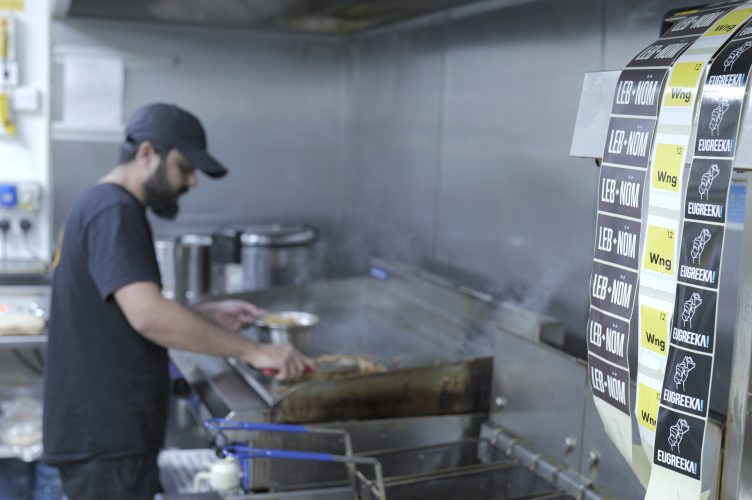
This approach lets takeaways, fast food restaurants, and food service businesses grow their sales by reaching a larger target market without expanding their physical footprint. Operators can boost profitability with minimal investment by using their existing kitchen space better.
How Virtual Brands Differ from Traditional Restaurants
Unlike traditional restaurants, virtual brands offer a smarter, more cost-effective way to operate:
- Lower overheads – No need for expensive property, interior design, or front-of-house staff.
- Use existing kitchens – Use the same commercial kitchen equipment that is already in place.
- Higher profit margins – Increased efficiency and kitchen productivity mean higher net income for operators.
- Scale faster – Virtual brands adapt quickly to changing food trends and delivery demand without relying on dine-in customers.
This scalable business model is perfect for takeaways, restaurants and dark kitchens looking to grow revenue without the financial risks of opening a new location.
Minimal Investment & Equipment Required
One of the biggest benefits of virtual brands is their low start-up cost. Most operators can launch a new brand largely using the kitchen equipment and space they already have. In most cases, a minimal investment of £7-10k is needed for additional equipment and opening stock.
By keeping upfront costs low, virtual brands provide a cost-effective way for food operators to boost sales, streamline operations, and grow their food delivery business—all without disrupting day-to-day service.
The Role of Dish’d Brands
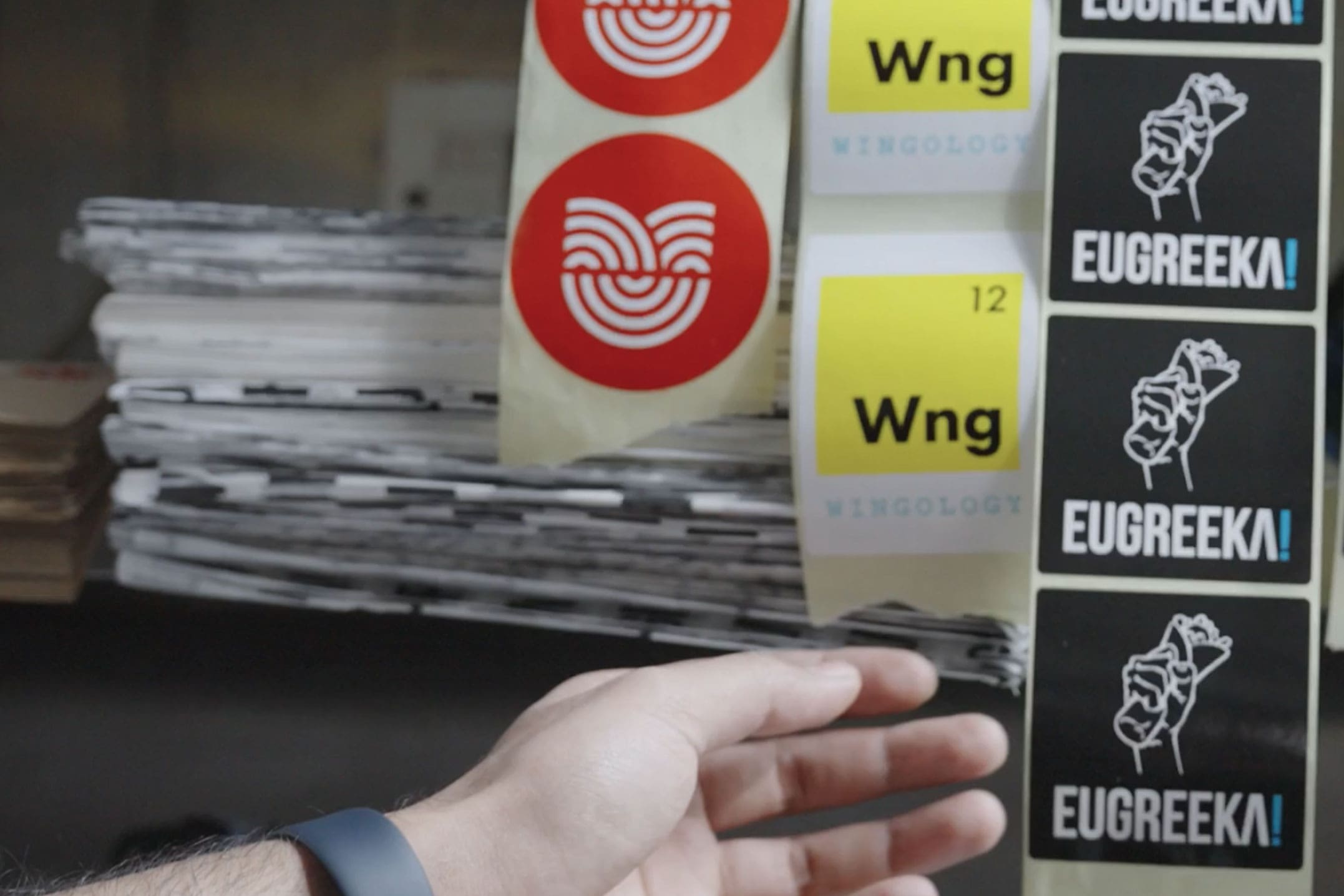
Dish’d provides a range of successful virtual brands that UK operators can easily incorporate into their kitchens. Popular options include:
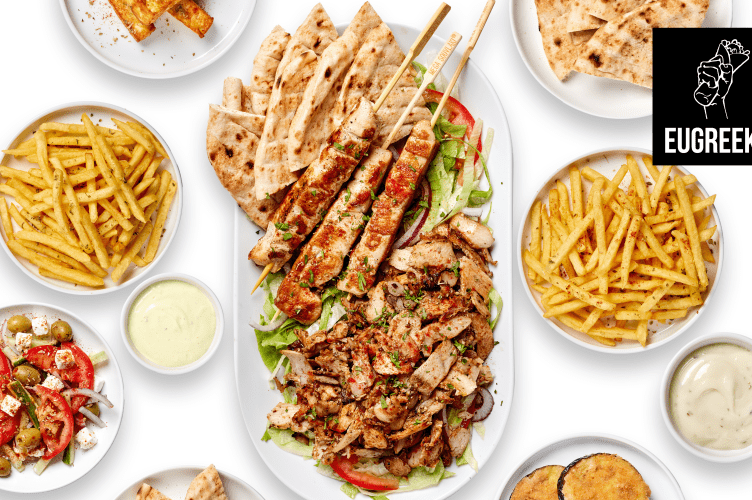
- Eugreeka! – Tasty Greek classics made with supersoft handmade pittas
- Bao + Bowls – Soft fluffy baos & steaming bowls
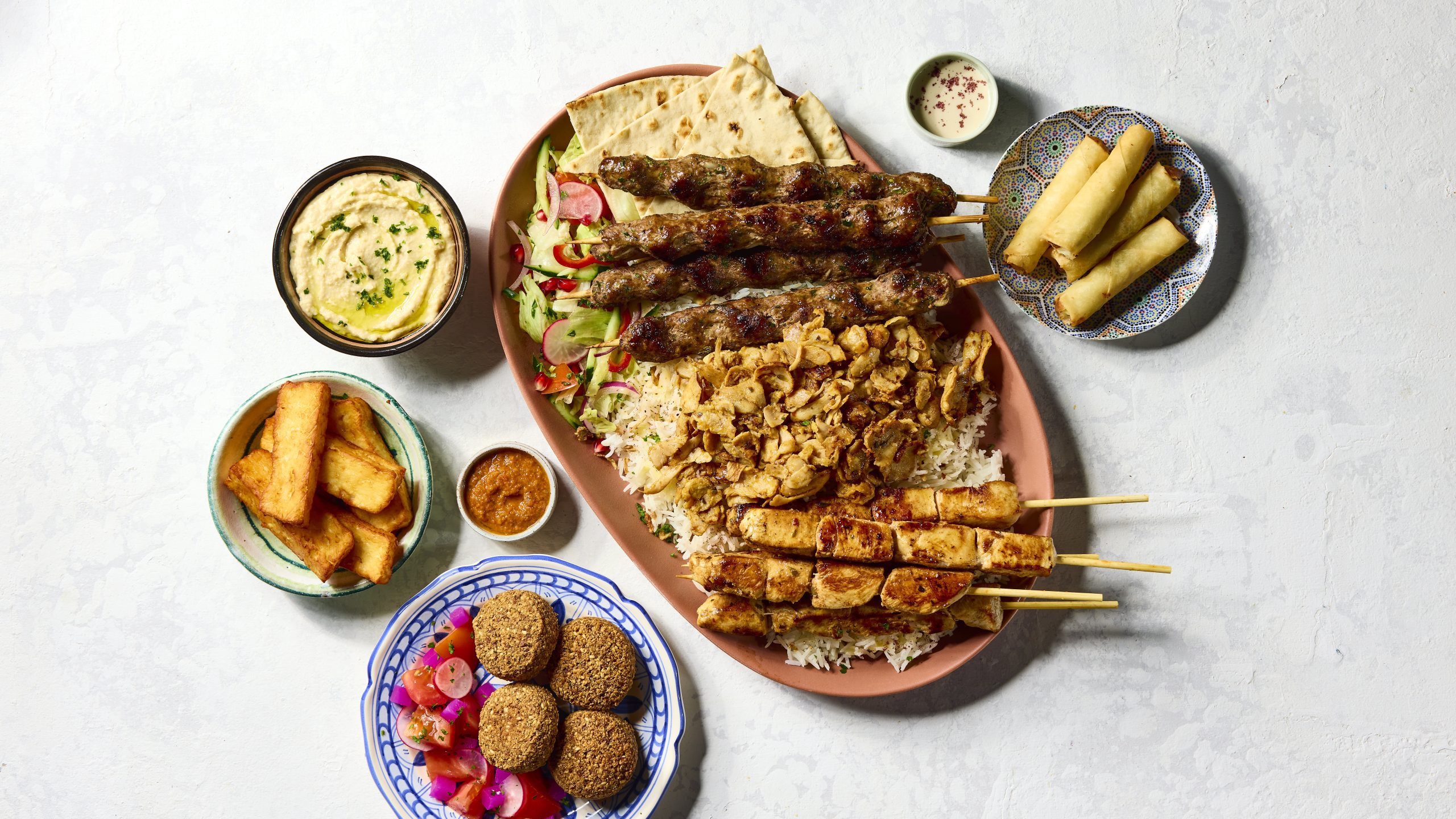
- Leb + Nöm – A feast from the Middle East, delivered straight to your door
- Wingology – Gourmet Fried Chicken has never tasted so good!
Explore the Dish’d virtual brands to find the perfect match for your kitchen.
The Growth of Food Delivery and Why Virtual Brands Are Essential
The Rising Demand
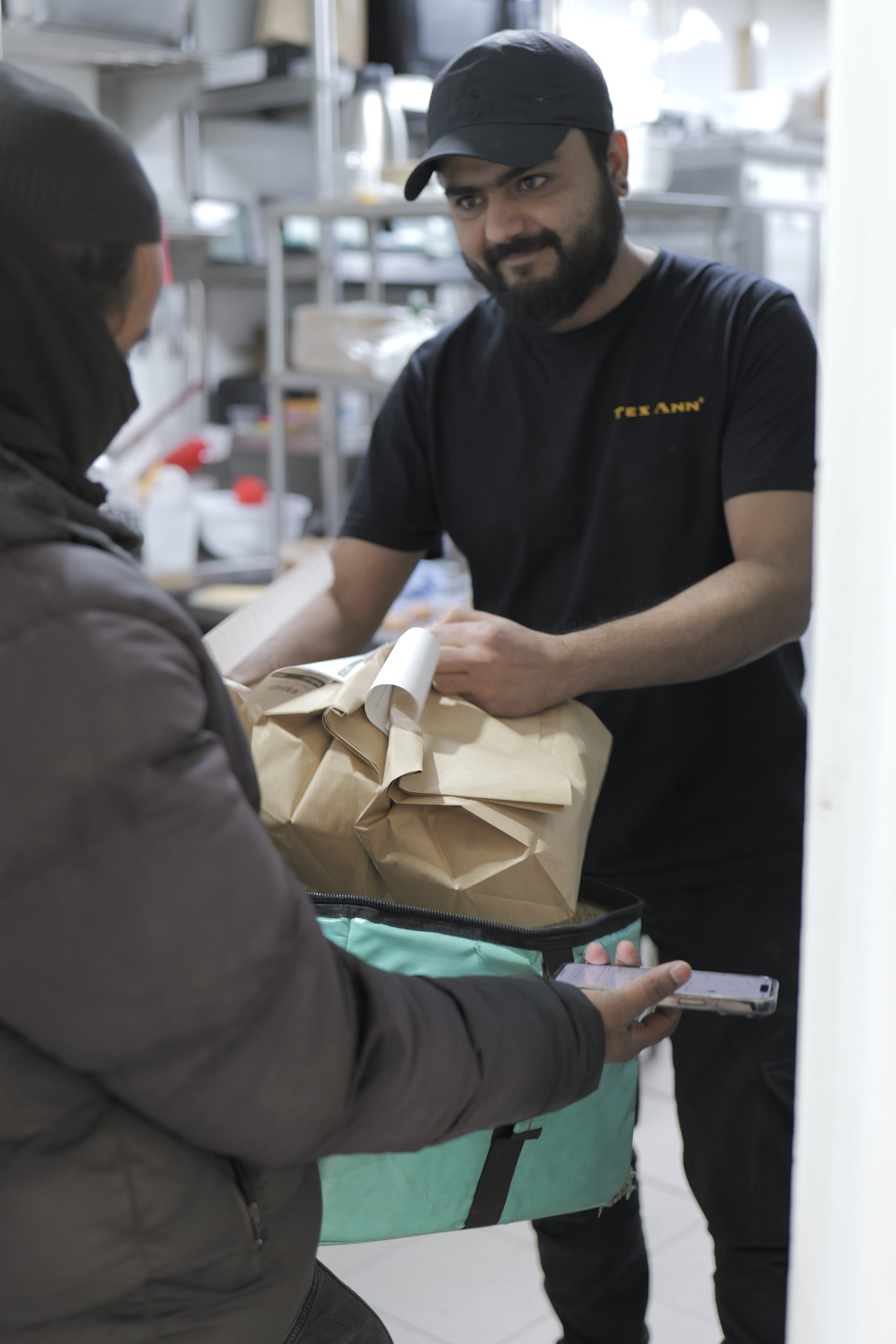
The food delivery market in the UK has grown in recent years, fuelled by convenience and the rise of mobile ordering. In 2022, the market was valued at over £10 billion, with projections indicating continued growth. With consumers increasingly opting for delivery-only meals, takeaways and restaurants need to adapt to stay competitive.
Trends Driving the Shift
Several key trends are reshaping the industry, including:
- Mobile ordering and app-based platforms – Consumers expect quick, on-demand access to food.
- Changing dining habits – Younger generations prefer delivery over traditional restaurant visits.
- Social media and food trends – Young people are increasingly influenced by social media, often following the latest food trends online.
- Ghost and dark kitchens in the UK – These delivery-only kitchens are cutting costs and increasing efficiency.
Why Traditional Restaurants Are Struggling to Keep Up
With rising rent, labour shortages, and high operating costs, expanding through physical locations is no longer viable for many traditional restaurants. Food operators struggle to keep up with fast-changing food trends as social media shapes young people’s choices. Virtual brands provide a scalable, cost-effective solution, allowing operators to increase sales without the burden of additional infrastructure.
The Financial Advantages of Virtual Brands
Increased Revenue Without Physical Expansion
Virtual brands help takeaways generate extra revenue by making better use of their existing kitchens, especially during off-peak hours and quiet days. For example, they can turn the quiet period of Monday to Thursday, afternoons in particular, into profit.
Staff Productivity Optimisation
Operators can maximise staff efficiency by integrating multiple delivery-only brands into the same kitchen. Teams can produce meals for different brands with minimal additional costs.
Proven Profitability
Our partners see impressive results, with weekly sales ranging between £8,859 and £15,321 and weekly profits from £2,002 to £3,462. These figures demonstrate how virtual brands can make a real impact on takeaway earnings.
Limited Overheads
Unlike traditional restaurant models, virtual brands don’t require significant upfront costs. You’ll save on expensive property and fit-out costs.
Learn how Dish’d helps maximise profits.
How Dish’d Helps Takeaways and Restaurants Maximise Profits
Plug & Play Model
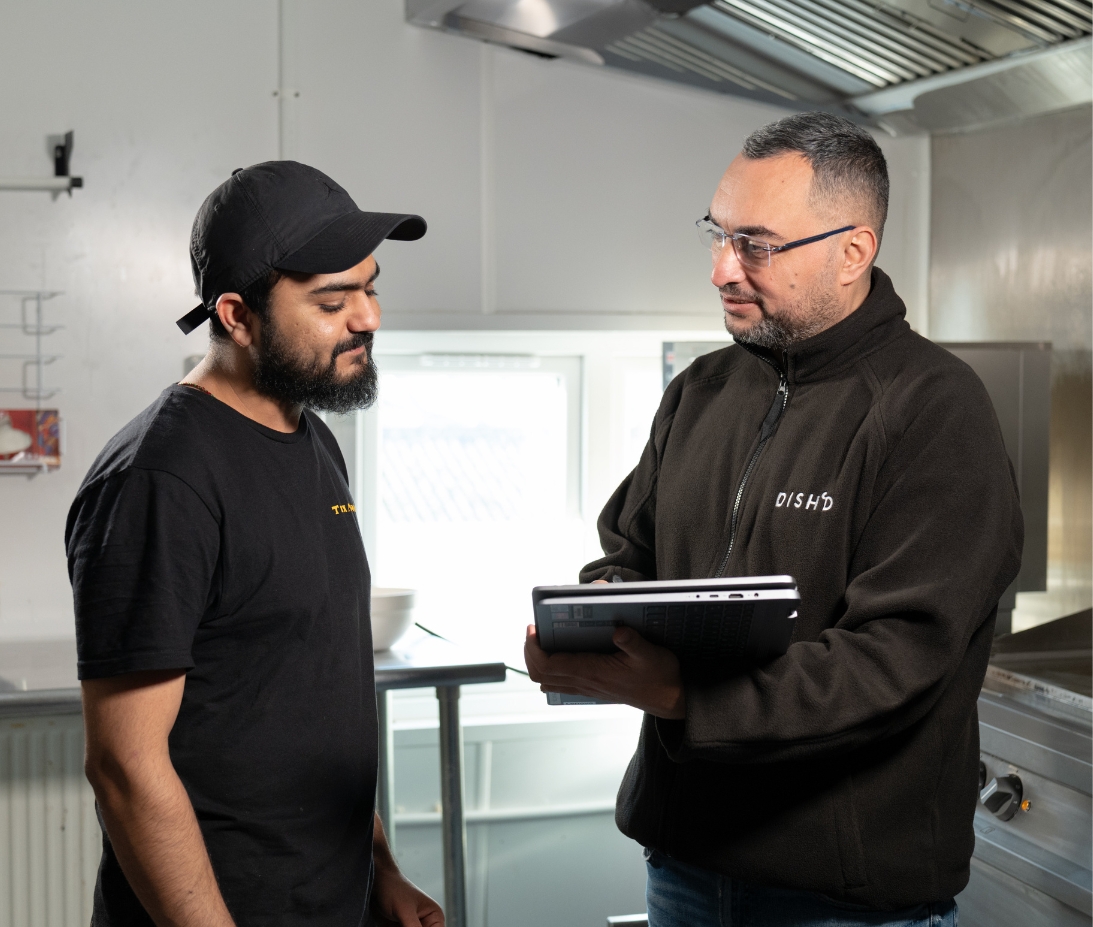
Dish’d makes adding virtual brands to your existing kitchen easy with a plug & play system that requires minimal setup. Operators can launch within 4 to 6 weeks without disrupting regular operations.
Tailored Training and Support
We’ll guide you through everything—from menu setup to staff training—so you can hit the ground running.
Brand Options for Every Kitchen
With options like Eugreeka!, Wingology, Leb + Nom and Bao + Bowls, operators can choose virtual brands based on their kitchen capacity and local customer demand.
We Take on the Risk
Dish’d takes care of the costs and complexities of brand development, including menu creation, marketing strategy, and customer experience optimisation. You will only receive brands that have been tested and proven in real-world conditions.
Discover the Dish’d approach to risk-free growth
Why Virtual Brands Are Ideal for Struggling Takeaways
Many independent takeaways and restaurants face increasing challenges, from rising operational expenses to declining walk-in trade. Traditional brick-and-mortar expansion is expensive and often unsustainable for small businesses. Virtual food brands offer a low-risk, high-reward solution, helping operators maximise profitability from their existing kitchen with minimal investment.
Excess Kitchen Capacity Utilisation
Most takeaways and restaurants have unused kitchen capacity, especially during off-peak hours. Rather than letting these slow periods eat into profits, operators can introduce a virtual brand to turn idle kitchen time into extra revenue.
For example:
- A fried chicken takeaway that primarily operates during dinner hours could launch a lunch-focused virtual brand, offering meal deals like rice bowls, wraps, or salads to drive daytime sales.
- A kebab shop could expand its menu with a branded Mediterranean concept to attract a different customer base without disrupting core operations.
By making better use of existing kitchen equipment, staff, and inventory, operators can increase revenue with little extra expense.
Simple and Scalable
One of the key benefits of virtual restaurant brands is their scalability. Unlike traditional restaurant expansions, which require costly renovations, extra staff, and marketing efforts, a virtual brand can be launched in weeks, not months.
As demand grows, operators can scale strategically by:
- Adding more virtual brands that complement their existing kitchen setup.
- Expanding menus based on customer demand and feedback.
- Adjusting pricing to maximise profits during peak delivery times.
Because virtual brands need no physical shopfronts, they offer greater flexibility and lower financial risk, making them an ideal growth strategy for struggling takeaways.
Meeting Consumer Trends
The food industry is rapidly shifting towards digital-first dining, with more customers preferring delivery over dine-in experiences. Online ordering systems, food delivery platforms, and mobile apps now dominate the fast food and takeaway sector.
A well-placed virtual brand ensures that operators stay competitive by:
- Appearing in search results on platforms like Uber Eats, Deliveroo, and Just Eat.
- Attracting younger tech-savvy consumers who prioritise convenience, speed, and online accessibility.
- Adapting to market trends, like health-conscious eating and popular menu items on social media.
By adapting to changing customer behaviours, virtual brands help struggling takeaways reach new audiences, improve customer retention, and increase overall revenue without overhauling their existing operations.
Virtual Brands vs. Ghost Kitchens: What’s the Difference?
Virtual Brands Operating in Existing Kitchens
Virtual brands operate within the existing kitchen infrastructure of a restaurant, takeaway, or café, allowing operators to generate additional revenue without major upfront costs. They’re a great option for small takeaways and independent restaurants looking to expand their online presence and increase delivery sales without altering their physical setup. Operators can run multiple brands from a single location using the same staff, equipment, and ingredients with minimal disruption to operations.
Dark Kitchens or Cloud Kitchens
Also known as ghost or cloud kitchens, these are dedicated spaces built exclusively for delivery-only restaurants. Unlike virtual brands operating within existing kitchens, dark kitchens are designed to house multiple food brands under one roof. While they offer flexibility and scalability, they require significant upfront investment in space, equipment, and staffing. Costs like rent, supply chain logistics, and infrastructure setup make them better suited for high-volume operators or businesses planning to expand across multiple locations.
Common Misconceptions About Virtual Brands
- “They’re just rebranded menus.” Dish’d virtual brands offer distinct, fully developed menus with unique branding.
- “They’re a short-term trend.” Data from leading delivery platforms shows that virtual brands are a key part of a long-term growth strategy.
- “Only big chains can benefit.” The Dish’d Plug & Play model makes virtual brands accessible to small, independent takeaways.
Success Stories: Virtual Brands Driving Real Profit Growth
Case Study 1: Takeaway in Birmingham
A small takeaway in Birmingham used under-utilised kitchen capacity to launch a Dish’d brand, generating an additional £8k in weekly revenue.
Case Study 2: Kebab Shop in Manchester
A kebab shop in Manchester increased weekly sales by 100% within 4 weeks by introducing virtual brands to attract a new online audience.
What the Future Holds for Virtual Brands
The virtual restaurant industry is growing rapidly, driven by technological advances, sustainability efforts, and the growth of food delivery platforms. As consumer demand for delivery-only meals increases, virtual brands will continue to shape the future of takeaways and restaurants.
Technological Advancements
Integrating artificial intelligence (AI) and data analytics is transforming the operations of virtual brands. Advanced AI-driven tools will help restaurants:
- Optimise menus based on real-time demand data, prioritising the most profitable items.
- Use predictive analytics to target the right customers, refining advertising strategies and offering personalised promotions to attract them.
- Improve inventory management, reducing ingredient waste and ensuring the optimal cost of goods sold (COGS).
- Use automation and robotics to streamline kitchen operations, improving workflow efficiency and profit margins.
The Expanding Role of Delivery Platforms
Delivery platforms like Uber Eats, Just Eat, and Deliveroo are becoming vital channels for virtual brands. In the future, these platforms are set to:
- Offer detailed analytics dashboards for restaurants to track performance, customer behaviour, and order trends.
- Introduce dynamic pricing strategies, adjusting menu prices based on demand fluctuations (e.g., peak hours or seasonal trends).
- Expand their logistics and fleet management systems, allowing faster, more efficient deliveries.
- Invest in AI-powered recommendation engines to show customers the most relevant virtual brands based on their ordering history.
As delivery platforms dominate the food service industry, virtual brands will become more profitable and widely adopted.
How to Get Started with Virtual Brands via Dish’d
Dish’d makes it simple for takeaway owners and restaurant operators to launch successful virtual brands with minimal effort. Here’s how to get started:
1. Assess Your Kitchen’s Capacity and Identify Under-utilised Areas
The Dish’d franchise team will conduct a kitchen assessment to identify how to maximise your existing resources. This includes evaluating existing workload, equipment and staffing to support the smooth integration of a new virtual brand.
2. Choose the Right Virtual Brand(s) Based on Local Demand
Not all virtual food brands will suit every target market. Dish’d will guide you in selecting the best-performing brand based on:
- Local customer preferences (e.g., fast food, healthier options, premium meals).
- Competition analysis to identify gaps in the market.
- Menu adaptability to ensure seamless integration with your existing kitchen processes.
Dish’d offers four proven virtual brands:
- Eugreeka! – Tasty Greek classics made with supersoft handmade pittas
- Bao + Bowls – Soft fluffy baos & steaming bowls
- Leb + Nöm – A feast from the Middle East, delivered straight to your door
- Wingology – Gourmet Fried Chicken has never tasted so good!
3. Launch and Optimise Your Delivery Operations
Once you’ve selected your brand, Dish’d provides full support, including:
- Menu setup and branding assets to boost online visibility.
- POS system integration with top food delivery apps for smooth order management.
- Operational training to ensure your staff is ready to handle multiple brands efficiently.
4. Scale and Grow by Adding New Brands and Updating Menus Based on Consumer Feedback
As your virtual brand grows, Dish’d helps you expand by:
- Adding new virtual brands to further increase revenue streams.
- Updating menus based on customer feedback and search trends to stay relevant.
- Implementing marketing strategies like loyalty programs, targeted advertising, and search engine optimisation (SEO) for food delivery platforms.
Book a free consultation with Dish’d and unlock your kitchen’s full revenue potential today.
Conclusion
Virtual brands offer a scalable, low-risk solution for boosting takeaway profitability. Operators can increase net income by using existing resources and delivery platforms without expanding their physical locations.
Contact Dish’d today to learn how to optimise your kitchen and grow your food delivery business.